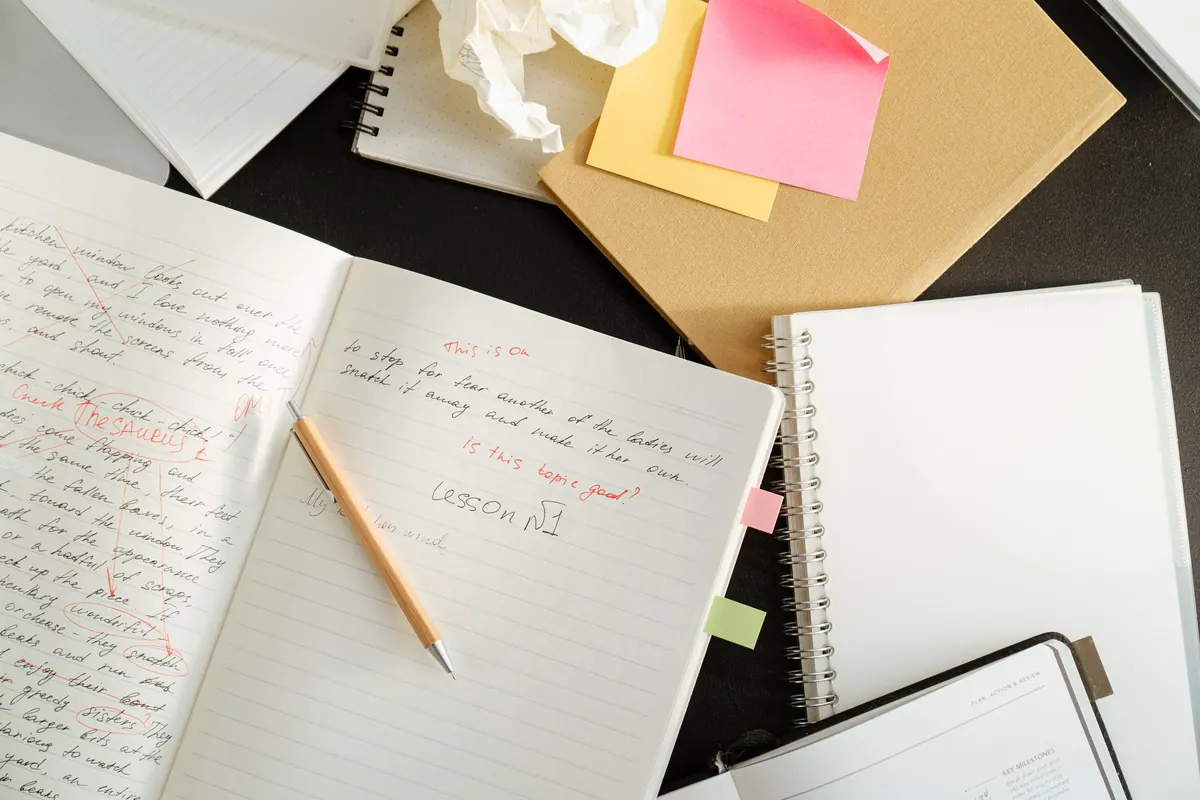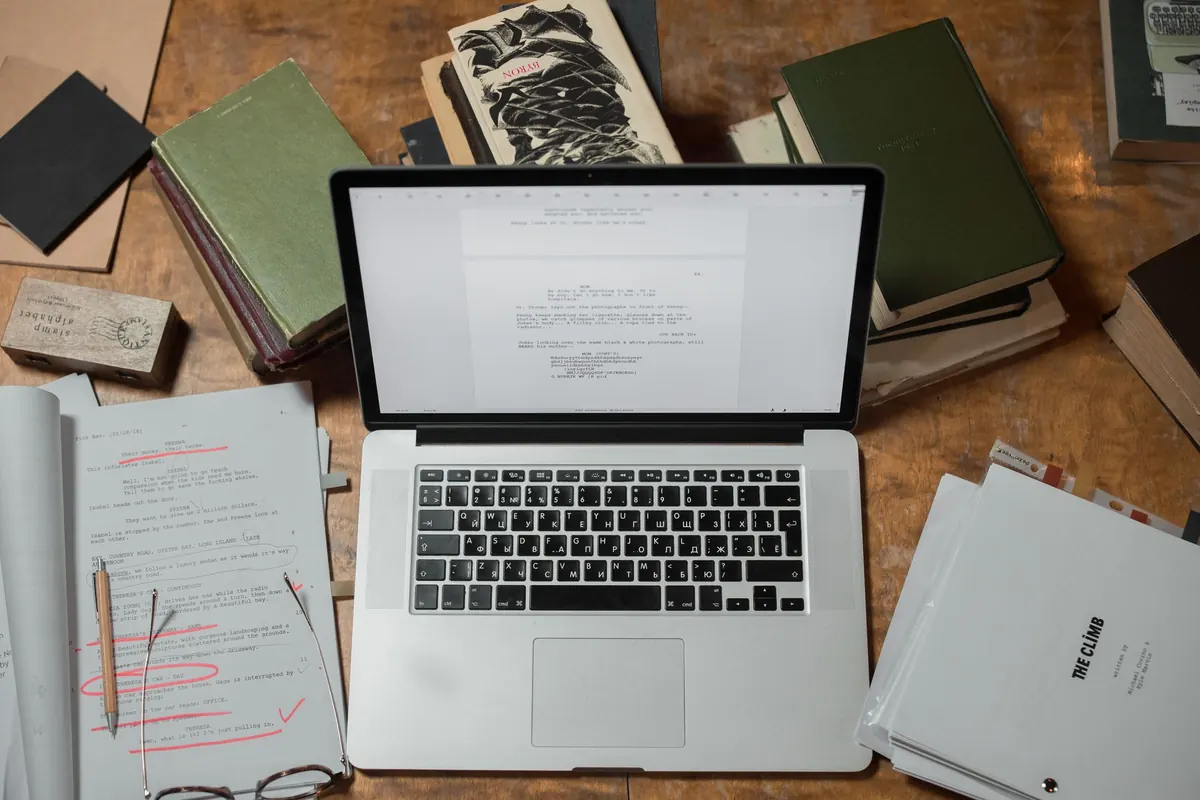
Your manuscript could be immaculate and still be rejected on sight. Not because of the prose, but because the first page looks like a design project. Agents read submissions in batches, often late in the evening and often on a tablet, and anything that makes the reading experience harder than it needs to be works against you.
Formatting is not a place for creative flair. It is a way of clearing every obstacle between an agent's eyes and your opening line. Get it right and your pages feel professional, familiar and easy to read. Here is how.
Before you touch the font menu, find the submissions page of the agency you are approaching. Most UK agencies publish a short list: how many chapters they want, whether they want a synopsis, whether they accept attachments, and how long they take to reply.
Where those instructions conflict with anything below, the agency wins. Every time. Some ask for the first three chapters pasted into the body of the email. Some want a one-page synopsis plus fifty pages as an attachment. If a particular agent asks for something unusual, that is a signal, not an oversight.
Read the guidelines twice. Getting this wrong is the easiest rejection in publishing, and the most avoidable one.
Unless you have been told otherwise, this is the layout that will make your pages look like the ones agents are used to seeing.
Use italics for emphasis and internal thought. Underlining went out with the typewriter, and capital letters read as shouting.
Begin each chapter on a fresh page. A simple Chapter One or Chapter 1 set a couple of lines down from the top, in the same font and size as the rest of the text, is all you need. Pick one numbering style and do not switch halfway through the book.
Resist the urge to centre the heading with hand-typed spaces or to dress it up with bold type and decorative symbols. Fancy chapter headings do not signal confidence; they signal that the writer is unsure the prose will carry the page. Save the design decisions for a cover.
For a scene break within a chapter, leave a blank line and insert a centred hash mark (#) or three asterisks. Use the same marker every time, and do not use extra blank lines to push text onto a new page.
A title page is optional, but it keeps your details in one tidy place and takes two minutes to build. Include your name and contact details, the title, the genre, and the word count rounded to the nearest thousand. If you write under a pen name, give both.
Leave the copyright symbol off and do not date it. If the manuscript is part of a series, mention that in the covering letter rather than on the title page — an agent wants to know the book in front of them can stand alone.
If you are submitting to UK agents for a UK readership, write in British English. That means colour, realise, travelled, centre. Set your word processor to English (United Kingdom) before you run a final spellcheck — the default is often American and will quietly rewrite your prose if you let it.
Dialogue usually takes single quotation marks, with double marks for a quotation inside it. British style generally places a full stop or comma outside the closing quotation mark unless the punctuation belongs to the quoted words. Pick a convention, apply it everywhere, and let consistency do the work.
The email is where careful writers undo their own good work. Keep it short, specific and unfussy.
Simultaneous submissions are normal unless an agency asks for exclusivity, but check before you assume. And never send the same letter to six agents without changing the name at the top.
Save the document, then read it once more with fresh eyes. Open the first page on your phone — that is where many agents will read it, and it is a quick test of whether your formatting holds up on a small screen.
Check that your word count matches across the title page, the covering letter and the synopsis. Check that every name in the email is correct. Check that no tracked changes or comments are still visible in the file. Then read the agency's guidelines one last time against what you are about to send.
When it all lines up, send it and move on to the next book. Clean formatting will not get you published on its own, but messy formatting can stop you being read at all — and being read is the whole point.
Photo: Ron Lach / Pexels