A library event is one of the kindest gigs available to a new author. The room comes with chairs, the audience has chosen to spend an evening among books, and the person who invited you wants you to do well. What separates a good event from a flat one is rarely talent. It is preparation: a clear proposal, a reading rehearsed out loud, and a plan for the moment you ask if anyone has any questions.
Start with the staff, not the poster. Ring or email the branch and ask who runs events; in a small library it may be the same person who covers the counter, the reading group and the summer reading challenge. Give them a proposal rather than a wish. Offer three possible dates, say how long you need, and explain what you would like to do.
Ask practical questions early. Is there a microphone, and is there a room that can be closed off, or will you be reading in the main space with people browsing nearby? Who normally comes to author events, reading-group members or a general crowd? Would they rather have a workshop than a talk? And do they have a budget for fees or travel? Many small library events are unpaid, but it is perfectly normal to ask, and libraries that do have a budget would rather you raised it than assumed there was nothing.
Library programmes are often planned a season ahead, so a date two or three months away gives their newsletter something to work with.
For a first event, forty-five minutes is plenty: roughly twenty minutes of reading, fifteen to twenty minutes of questions, and ten minutes for signing and chat. Library audiences arrive on time and leave on time, usually because of buses, parking or the weather. Do not overrun.
If reading alone feels daunting, there are gentler options that still work well. An in-conversation event with the librarian or a local writer takes the pressure off you. A themed talk with short extracts lets you skip the long build-ups. A workshop with writing prompts suits a room of aspiring writers, and a reading group will happily give up one of their meetings to you if you ask.
Read your chosen passage silently and you will misjudge it every time. Choose something self-contained, starting where something is already happening rather than three pages of setup. Two shorter extracts, one wry and one moving, usually land better than one long one.
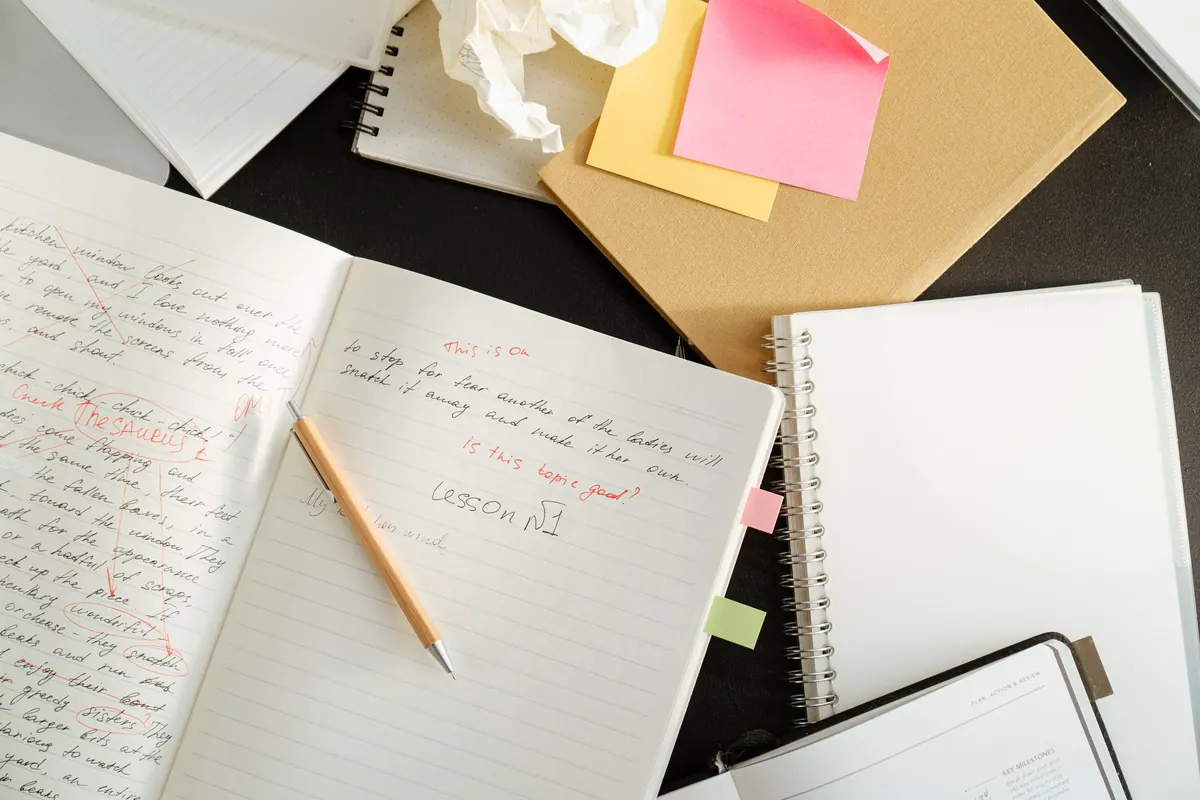
Then time yourself out loud with a stopwatch. Most writers read faster in public than they intend to, so aim for a slower pace than feels natural and let sentences finish. Reformat the page for performance: larger type, generous line spacing, and marks where you will pause or take a breath. If you are reading a name that could go two ways, write the pronunciation on the page. Practise your first line and your last line more than anything else, so you never end with a shrug and “that’s it, really”.
The silence after “any questions?” is completely normal. Plan for it rather than hoping it will not happen.
Expect the usual four: where ideas come from, how long it took, how you got published, and whether the characters are real people. Also expect the person who wants to tell you about their own unpublished novel, and the reader who disliked the ending. Be gracious, be brief, and hand back to the host.
Ask whether the library prefers free entry or booked tickets through their system, and follow their answer. Their numbers matter for future funding.
Sort out selling before you print posters that promise signed copies. Some libraries sell books themselves, some work with a local bookshop, some cannot sell at all and are happy for you to do so, and a few forbid it entirely. Ask first.
If you are selling, keep it simple: one or two titles, a clear price, a card reader, some change, a working pen and a small handwritten sign. Ask how to spell each name before you write it, and keep the queue moving. If you would like a copy in stock, offer it as a donation and accept that the library decides whether it is catalogued. Where a book is in library stock, authors can register for Public Lending Right, which pays out on borrowings and costs nothing to join.
Email the library the next morning to thank them, naming the staff who helped. Send a photograph and two short paragraphs for their newsletter. Then write down what worked: which passage held the room, which question came up three times, and what time people actually arrived. Those notes will make your next event sharper than any amount of advice.
If anyone asked to hear about future readings, keep their details with their permission, using a sign-up sheet rather than adding names to a list unasked. And before you leave, suggest a return date. Libraries book ahead, and a second event is always easier. The audience tends to be slightly bigger, the reading tighter, and the nerves noticeably smaller.